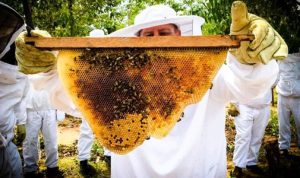
Contributed by Jackie’s Bees
In 2019, Mozambique Leaf Tobacco (MLT) started exploring beekeeping projects as a sustainable, additional income for our our farmers in Mozambique because income from the honey produced from just five hives could result in approximately 7,500 mts ($118 USD) a year and would continue to be profitable regardless of weather (which other crops may be negatively affected by). Using our expertise as an agriproduct company, we knew that we could use our experience to help our farmers with the beekeeping project. For the initial, test pilot phase of the project, farmers set up five hives on MLT farms with plenty of room for the bees to forage. With the success of those first hives, John Bekkett from Nkhame set up 10 additional hives and a positive meeting with Agri-Med, the universe (excuse the pun) had a plan for our MLT farmers to have bees. By the end of 2019, MLT had a total of 50 additional hives set up across MLT farms. The bees flourished, honey was harvested, and distributed among coworkers and friends.
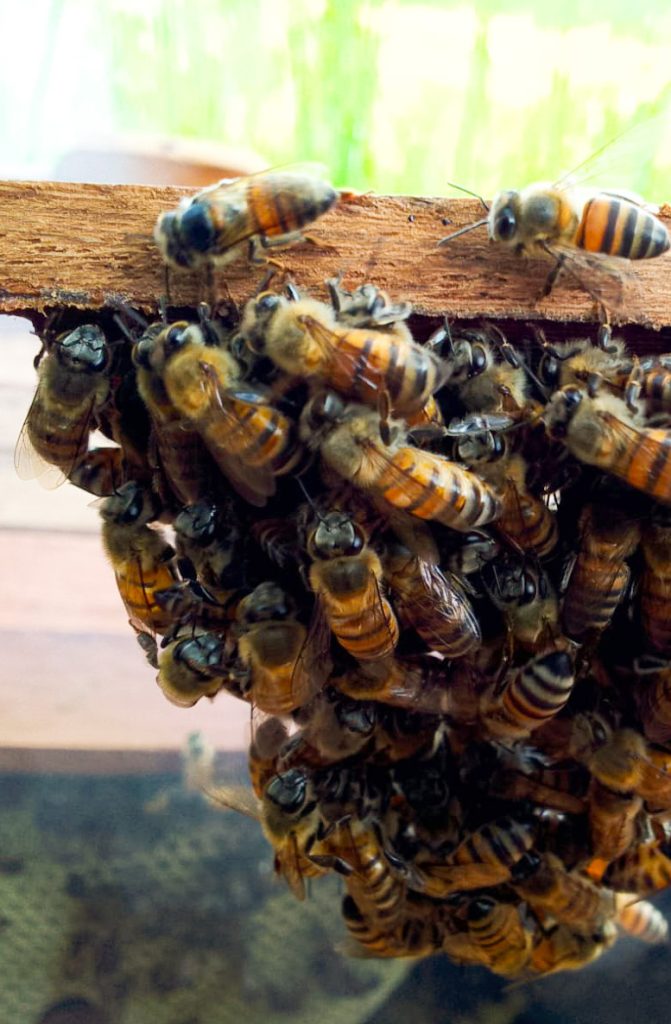
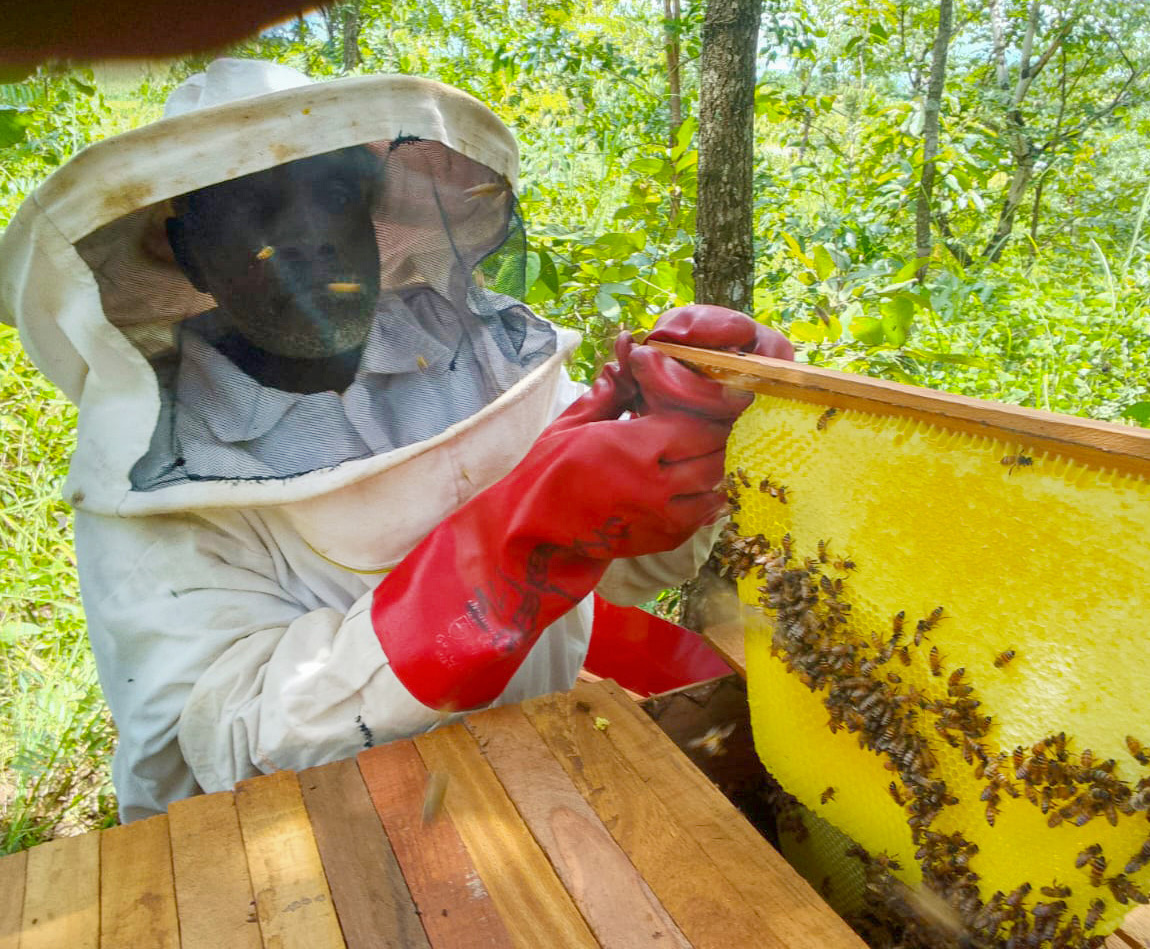
In 2021, MLT reviewed the pilot and decided to further invest in the program. Ultimately, it was decided that Agri-Med would manage North of Mozambique and provide 600 bee catch boxes, which are containment devices used for safely capturing and transporting bees, plus 1,000 hives.
In the Tete Province, they were delayed in finding a suitable project manager, until Jackie of Jackie’s Bees arrived and started with 200 catch boxes and 200 hives. Now that the hives and catch boxes have been distributed amongst MLT farmers, they are eagerly awaiting the next harvest that started in June 2024.
The catch boxes were set up in May 2022, followed by 100 KTBs set up with farmers in Nkhame which were quickly occupied by bees, and 300 kgs of honey was collected by June 2023, and our MLT tobacco farmers were delighted by the extra cash in their pockets. This success helped finalize the decision that our Nkhame tobacco farmers needed and could handle more hives, so another 500 hives were added to their collection. Now, with the 600 hives distributed amongst farmers, they now are eagerly collecting the honey harvest produced in June 2024.
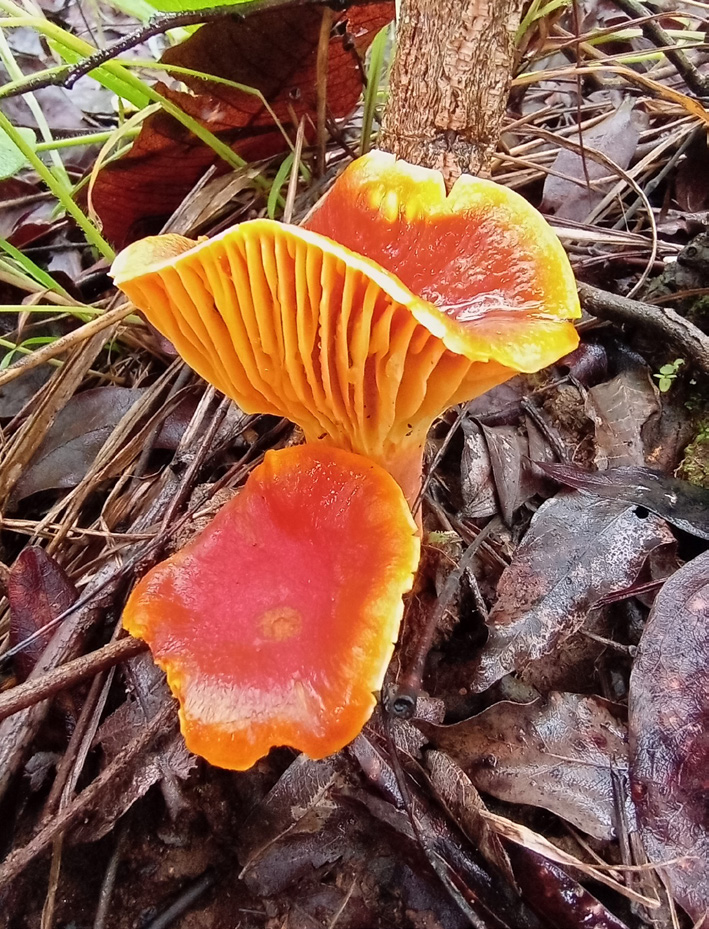
The beauty of any project is that it will have outcomes and effects that one never expects. The aim of the careful selection of the apiaries in forests was so our farmers would set these areas of natural woodland aside and not cut them for building barns or collecting firewood. This created greenbelts for biodiversity to travel across and prevented forests from becoming isolated patches of green. Within 12 to 14 months, apiaries with small trees also suddenly showed great strides in regeneration. Not only did the farmers protect these areas as agreed upon in their contract as a beekeeper, but the bees assisted in this by giving any would-be tree choppers a good zap from their posterior and warn the intruders that these forests are not to be messed with. The compulsory firebreaks around these forests contribute to the preservation of the undergrowth which usually gets burnt and our farmers found big crops of edible mushrooms in the December and January rainy season. Who doesn’t love fresh wild mushrooms? Farmers gifted these newly found mushrooms to their beekeepers on apiary visits and carefully taught the beekeepers which mushrooms were edible and which were not. Mushrooms are an incredible crop and grow profusely in the Nkhame forests. Unthreatened by fire and continued cutting, the wild fruit trees grew. As a result, much of the fruits were produced and sought after by the farmers. We are curious to see how big some of these indigenous fruit trees will become over the years.
Our apiary visits have introduced us to natural herbs for eating as well as herbs for teas, as explained to us with care and consideration by our farmers. Since these areas now no longer experience human intrusion, native hares and ducks have begun to explore the denser forest. The farmers’ chickens scratch on the outskirts of the forest finding all the delicacies of fresh bugs and grubs that breed in the deep leaves of the forest edge. With all this abundance of life in the protected forest of our bees, we don’t pay attention as the rejuvenation sustains the farmer’s family in its own balanced way. There is no price tag to be put on this.
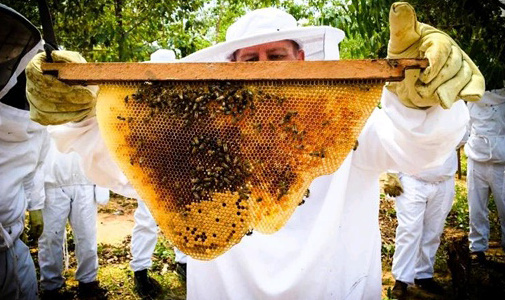
When I see the joy on our farmers faces every time they wear a bee suit with the beekeeping technicians and look inside their beehives to admire the incredible phenomenon that goes on inside that hive, I am sure that they feel like all beekeepers do — in awe. These little creatures that work so incredibly hard, pollinating all our meals, ensure that the farmers’ maize get fertilized to feed his family, the pumpkins and beans will be pollinated to make the sauce, and his forest with all its wealth of nutrients is safe from others who may want to help themselves to it.
When I see the amazement on their faces, I do believe that they would love their bees even if they did not make honey. But bees do make honey and we all love them for that.